
Pelvic Inflammatory Disease and STD

Pelvic Inflammatory Disease and STD

STD’s most often are symptomless. Hence not diagnosed .when STDs are not treated cause Pelvic Inflammatory Disease (PID) in female patients. The root cause of PID is the infection in female genital parts. The infection is a result of the microorganisms from the cervix and vagina to the upper reproductive organs. PID can also damage reproductive organs permanently and cause infertility in females.
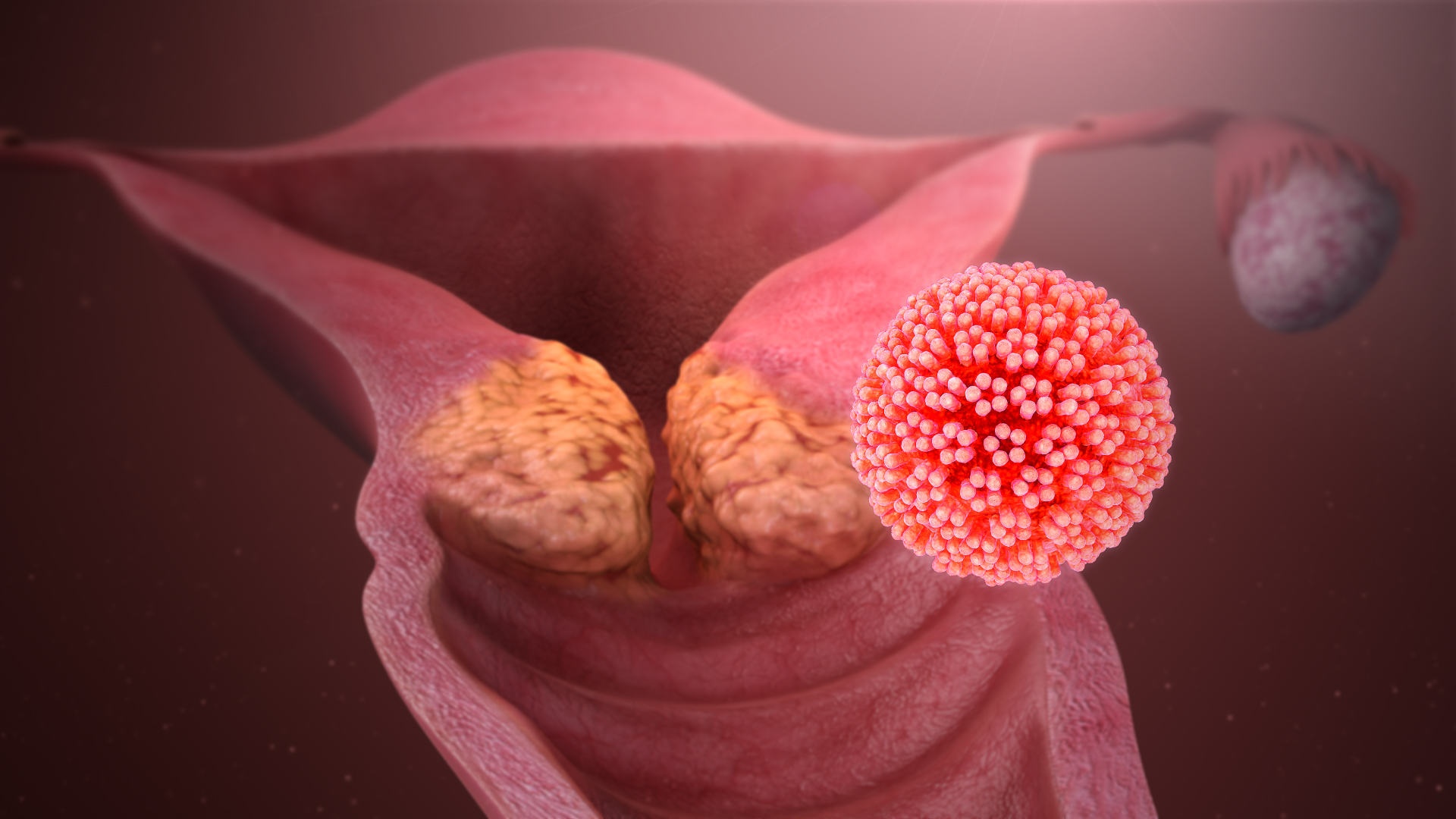
Women get PID because of Sexually Transmitted Diseases such as Chlamydia and gonorrhea. Chlamydia and gonorrhea are the type of bacteria, which move upward from woman’s vagina into the reproductive organs. 33% to 50% of cases of PID in women is because of sexually transmitted pathogens.
The signs and symptoms of PID in women can be mild or severe. Mild PID is asymptomatic and can go unrecognized by women or health care staff. Sexually active women with lower abdominal pain, urinary tract infection or gastrointestinal tract infection shall consult their Doctor for clinical evaluation of PID.

The most common symptoms of PID are

  • Painful & frequent urination
  • Increased vaginal discharge
  • Lower abdominal pain
  • Fever > 100F
  • Pain with intercourse
  • Irregular periods
The variations in signs and symptoms make a diagnosis of PID imprecise. The doctor may advise several clinical investigations to increase the specificity of clinical criteria and diagnosis of PID. These include tests for Chlamydia and Gonorrhea
The bacterial infection is treated with broad-spectrum antibiotics to cover likely pathogens. Sometimes symptoms go away even before the infection is cured. But it is always advised to complete the course of all the prescribed medicines.
In certain cases, Doctors may advise hospitalization to treat PID. Additionally, the woman’s partner is also given treatment to decrease the risk of re-infection.

Original Article

Comments

Popular posts from this blog

What is masturbation? | What are the symptoms of masturbation in males?

What is masturbation? Masturbation is a way of exploring your own sexual self and is a completely natural activity. It is also, therapeutic to an extent that the pleasure one experiences from masturbating relieves stress, anxiety and elevates one's mood instantly. This 'pleasure' may, however, become addictive with the person being compulsively dependent on masturbation for general wellbeing. This, in turn, affects the body as a whole. What are the causes of masturbation addiction in male/men: What are the major causes of masturbation addiction in males? You can see below are some prospective causes of feeling the need to extremely or compulsively masturbate. Masturbation is a way of: Boredom Loneliness or neglect Low self-esteem Personal inadequacy Relationship problems Sexual fantasies High sexual drive Drug abuse What are the negative side effects/symptoms of masturbation in males/men? Negative symptoms of masturbati...

ಹ್ಯೂಮನ್ ಇಮ್ಯುನೊ ಡಿಫಿಷಿಯನ್ಸಿ ವೈರಸ್ (ಎಚ್‌ಐವಿ) ಮತ್ತು ಲಕ್ಷಣಗಳು ಎಂದರೇನು?

ಹ್ಯೂಮನ್ ಇಮ್ಯುನೊ ಡಿಫಿಷಿಯನ್ಸಿ ವೈರಸ್ ( ಎಚ್ಐವಿ ) ಎಂದರೇನು ಇದು ಎಚ್ ‌ ಐವಿ ಸೋಂಕಿಗೆ ಕಾರಣವಾಗುವ ರೆಟ್ರೊವೈರಸ್ ಆಗಿದ್ದು , ಮುಖ್ಯವಾಗಿ ಅಸುರಕ್ಷಿತ ಲೈಂಗಿಕತೆ ( ಗುದ ಮತ್ತು ಮೌಖಿಕ ಲೈಂಗಿಕತೆ ಸೇರಿದಂತೆ ), ಸೋಂಕಿತ ವ್ಯಕ್ತಿಯ ಕಲುಷಿತ ರಕ್ತ ವರ್ಗಾವಣೆ , ಅಶುದ್ಧ ಸೋಂಕಿತ ಹೈಪೋಡರ್ಮಮಿಕ್ ಸೂಜಿಗಳು ಮತ್ತು ಗರ್ಭಾವಸ್ಥೆಯಲ್ಲಿ , ಹೆರಿಗೆಯಿಂದ ಅಥವಾ ಸ್ತನ್ಯಪಾನ ಮಾಡುವಾಗ ತಾಯಿಯಿಂದ ಮಗುವಿಗೆ ಹರಡುತ್ತದೆ . ಬೆವರು , ಲಾಲಾರಸ , ಕಣ್ಣೀರು ಮತ್ತು ಮೂತ್ರದಂತಹ ಕೆಲವು ದೈಹಿಕ ದ್ರವಗಳು ಎಚ್ ‌ ಐವಿ ಹರಡುವುದಿಲ್ಲ . ಹೆಚ್ಚಿನ ಸಮಯವನ್ನು ಸಂಸ್ಕರಿಸದೆ ಬಿಟ್ಟರೆ ಅದು ಏಡ್ಸ್ ( ಸ್ವಾಧೀನಪಡಿಸಿಕೊಂಡಿರುವ ಇಮ್ಯುನೊ ಡಿಫಿಷಿಯನ್ಸಿ ಸಿಂಡ್ರೋಮ್ ) ಗೆ ಕಾರಣವಾಗಬಹುದು , ಇದು ರೋಗನಿರೋಧಕ ವ್ಯವಸ್ಥೆಯ ಪ್ರಗತಿಶೀಲ ವೈಫಲ್ಯವನ್ನು ಹೊಂದಿರುವ ರೋಗಗಳ ಒಂದು ಗುಂಪಾಗಿದೆ , ಇದು ಮಾರಣಾಂತಿಕ ಸೋಂಕುಗಳು ಮತ್ತು ಕ್ಯಾನ್ಸರ್ ದೇಹದ ಮೇಲೆ ದಾಳಿ ಮಾಡಲು ಅನುವು ಮಾಡಿಕೊಡುತ್ತದೆ . ಮಾನವನ ಪ್ರತಿರಕ್ಷಣಾ ವ್ಯವಸ್ಥೆಯ ಪ್ರಮುಖ ಕೋಶಗಳಿಗೆ ಎಚ್ ‌ ಐವಿ ಸೋಂಕು ತರುತ್ತದೆ , ಇದರಿಂದ ರೋಗನಿರೋಧಕ ಶಕ್ತಿ ಕಡಿಮೆಯಾಗುತ್ತದೆ , ಮತ್ತು ದೇಹವು ಹಂತಹಂತವಾಗಿ ಅವಕಾಶವಾದಿ ಸೋಂಕುಗಳಿಗೆ ತುತ್ತಾಗುತ್ತದೆ . ಎಚ್ಐವಿ ವಿಧಗಳು ಯಾವುವು ? ...

Best Tips to Gain Weight Fast and Safe

Best Way to Gain Weight Fast and Safe Weight gain is categorically defined as an increase in body weight, contributing to an increase in muscle mass, fat deposits, or accumulation of excess body fluids. Being underweight is defined as having a body mass index (BMI) below 18.5. According to a study, underweight people are associated with the risk of early death, and it is 2–3 times more common among girls and women, compared to men. Putting on weight may be necessary for a person who is underweight. It may also be a measurable goal for someone who is aiming to build muscle. In general, consuming more calories than the body burns will result in weight gain. People who are trying to gain weight should also be mindful of the types of food they are consuming. For example, eating foods that are high in sugar is an easy way of increasing calorie intake, but it can also increase a person’s risk of developing type 2 diabetes. Some of the causes for being underweight are: Stress, eating disorde...